

PPE Workwear The Ultimate Guide to Personal Protective Equipment for Workplace Safety
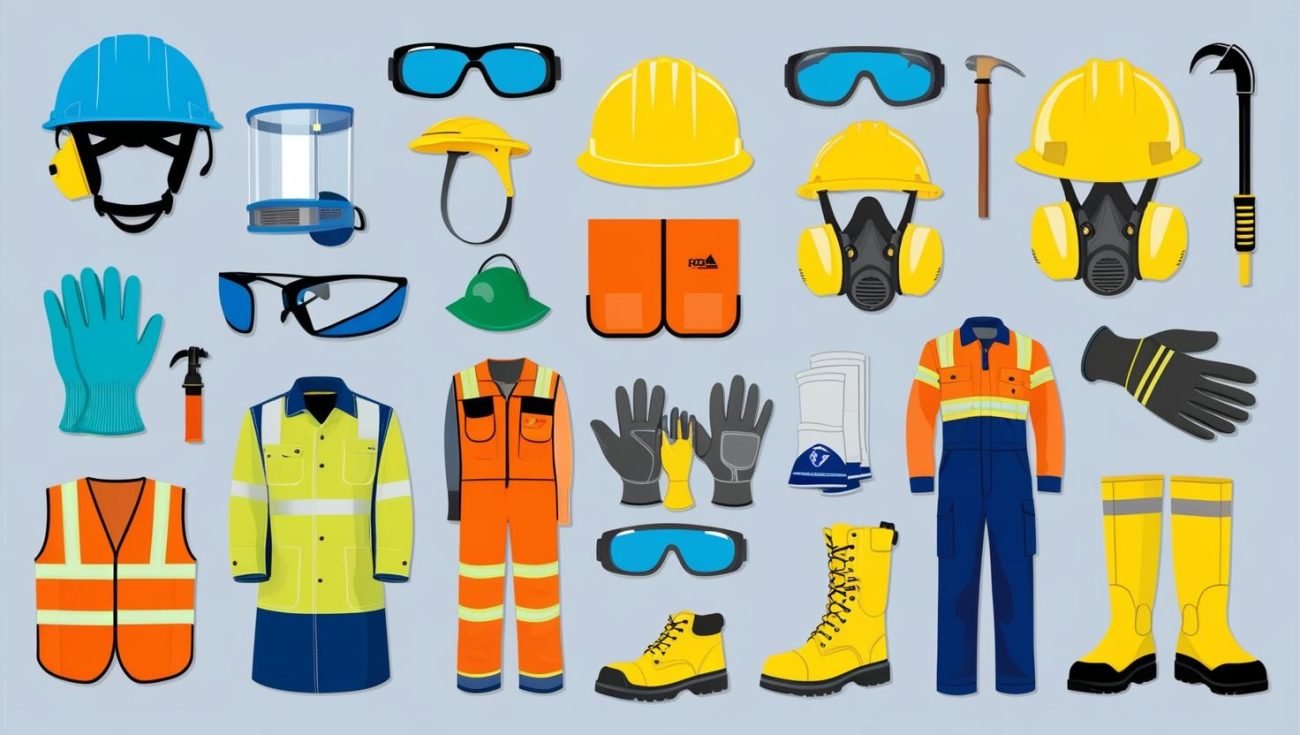 In today’s dynamic working environments, ensuring workplace safety is a top priority for both employers and employees. Personal Protective Equipment (PPE) plays a vital role in mitigating workplace hazards and ensuring the safety of the workforce. Whether you’re new to PPE workwear or looking to amplify your understanding, this ultimate guide offers comprehensive insights into the types, uses, standards, and benefits of PPE workwear in safeguarding workplace safety.
What is PPE Workwear?
PPE workwear refers to specialized clothing and gear designed to protect workers from various workplace hazards. These hazards can range from physical injuries to chemical exposure, electrical risks, and even biological dangers. Employers are bound by regulations to provide adequate PPE to ensure employees can perform their tasks safely and effectively.
PPE workwear is not a one-size-fits-all solution. It must be tailored to the specific risks associated with a job role or industry. For example, construction workers require hard hats and high-visibility vests, while healthcare professionals rely on gloves, masks, and gowns.
Why is PPE Important for Workplace Safety?
Workplace injuries and illnesses can have devastating consequences—physical, emotional, and financial. PPE serves as the last line of defense when engineering controls, administrative controls, or safe work practices alone cannot eliminate risks. Here are key reasons why PPE is critical:
- Protection from Injuries: Prevents accidents like cuts, falls, head injuries, or chemical burns.
- Compliance with Safety Standards: Meets local and international regulatory requirements, such as ISO, OSHA, and ANSI standards.
- Reduced Workplace Absences: Increases productivity by minimizing downtime due to injuries.
- Boosts Employee Confidence: Workers feel safer and more empowered in their jobs.
Types of PPE Workwear
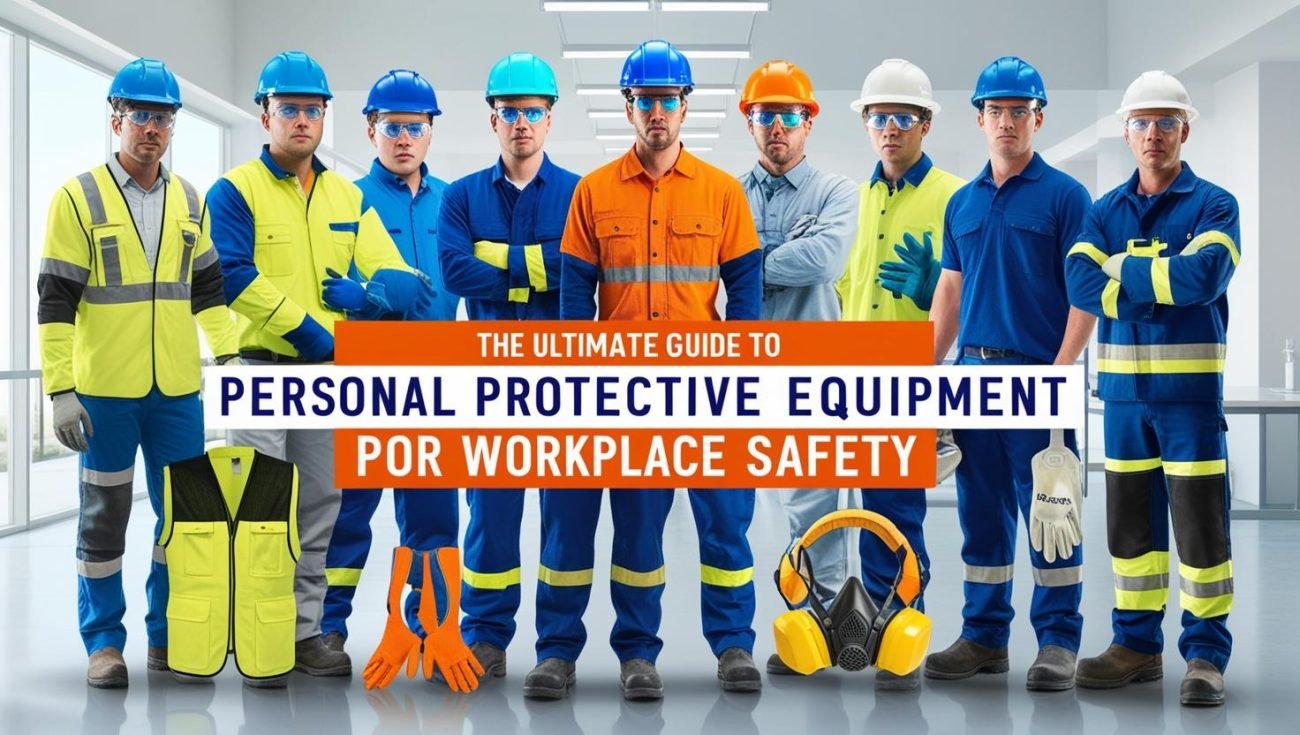
PPE workwear is categorized based on the type of protection it offers. Below is an overview of the essential types of PPE to ensure workplace safety:
Head Protection
- Example: Hard helmets and bump caps.
- Usage: Protects against falling objects or impact injuries (especially in construction, mining, and manufacturing).
- Features: Durable materials, adjustable fit, and compatibility with visors.
Eye and Face Protection
- Example: Safety goggles, face shields.
- Usage: Shields eyes from dust, chemicals, sparks, or ultraviolet radiation.
- Features: Anti-scratch coatings, anti-fog lenses, and clear visibility.
Hand and Arm Protection
- Example: Gloves (heat-resistant, chemical-resistant, or cut-resistant).
- Usage: Ensures protection during welding, handling hazardous materials, or heavy lifting.
- Features: Flexible materials, puncture resistance, and grip-enhancing designs.
Footwear Protection
- Example: Steel-toe boots, slip-resistant shoes.
- Usage: Protects feet against falling objects, sharp tools, electrical hazards, and slips.
- Features: Anti-slip soles, oil resistance, and safety toes.
Body Protection
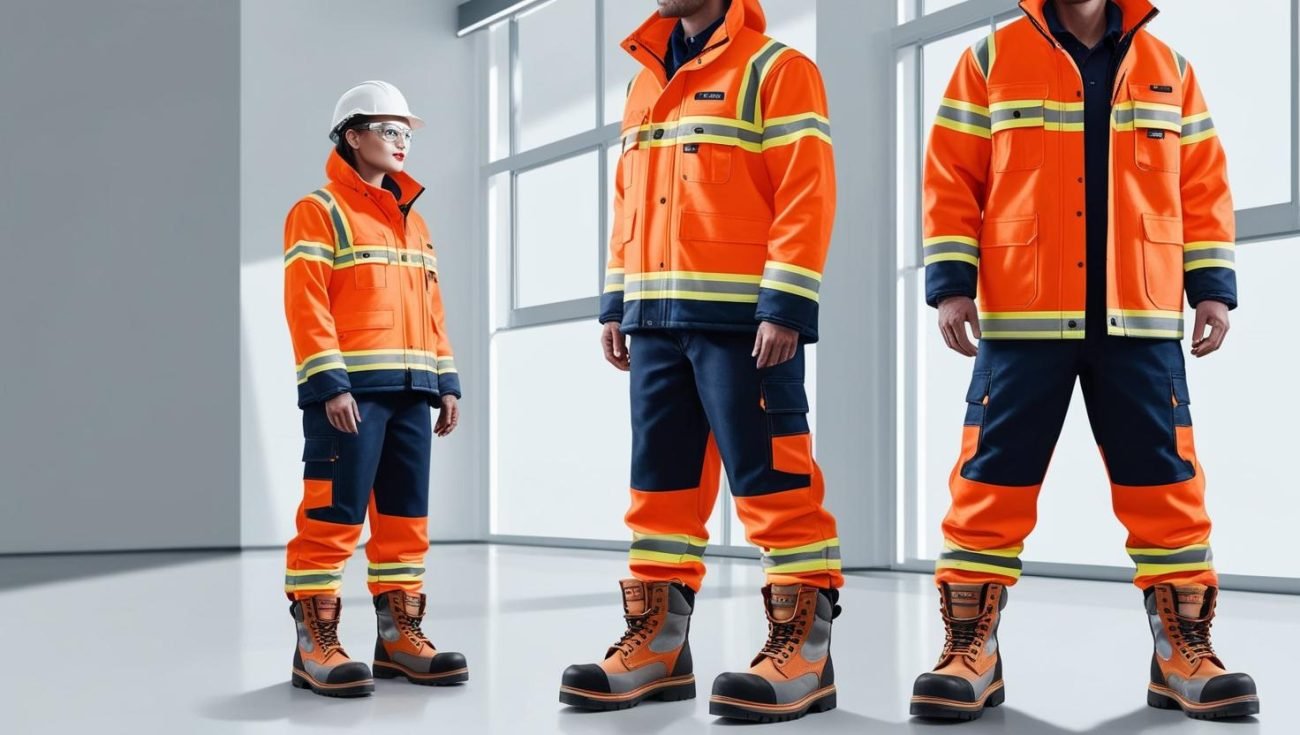
- Example: High-visibility vests, flame-resistant (FR) clothing, hazmat suits.
- Usage: Shields the body from physical, chemical, or thermal hazards.
- Features: Lightweight, breathable fabrics, and reflective components.
Hearing Protection
- Example: Earplugs, earmuffs.
- Usage: Reduces noise exposure in industries like construction, aviation, or manufacturing.
- Features: Noise reduction ratings (NRR) and comfortable fit.
Respiratory Protection
- Example: Dust masks, respirators.
- Usage: Prevents inhalation of harmful dust, fumes, vapors, or pathogens.
- Features: Adjustable straps, filters, and compliance with safety certifications.
PPE Standards and Regulations
Using the right PPE is just one part of the equation; ensuring compliance with safety standards is equally critical. Various organizations regulate PPE use depending on the region and industry.
- OSHA (Occupational Safety and Health Administration): Sets PPE requirements in the U.S., ensuring employers protect workers from job-specific hazards.
- ISO (International Organization for Standardization): Outlines global safety standards for PPE manufacturing.
- ANSI (American National Standards Institute): Ensures PPE performance standards, such as high-visibility and impact resistance.
- CE Marking (European Conformity): Ensures PPE products conform to health, safety, and environmental protection standards within the EU.
Employers must stay updated with these regulations to avoid penalties and ensure workplace safety.
Choosing the Right PPE for Your Workplace
Selecting suitable PPE involves a systematic assessment of workplace hazards and environmental risks. Here’s a step-by-step guide:
Perform a Risk Assessment:
Identify potential workplace hazards (mechanical, chemical, biological, etc.).
Evaluate the severity and likelihood of risks.
Consult Safety Standards:
Refer to OSHA or regional standards for guidance on appropriate PPE.
Involve Employees:
Gather worker feedback to ensure PPE is comfortable, practical, and doesn’t impede performance.
Check for Certification:
Verify that the PPE you purchase meets legal and international safety standards.
Provide Training:
Educate employees on the correct use, storage, and maintenance of PPE.
PPE Maintenance and Best Practices
To ensure PPE remains effective, regular maintenance and proper usage are vital. Here are some best practices:
- Inspect PPE Before Use: Look for visible wear and tear, cracks, or damage.
- Clean and Disinfect: Keep equipment hygienic and free from contaminants.
- Replace When Necessary: Do not compromise safety by using outdated or broken equipment.
- Store Properly: Protect PPE from extreme conditions, moisture, and direct sunlight.
- Train Workers: Ensure employees understand when and how to use PPE correctly.
Benefits of Investing in High-Quality PPE Workwear
Organizations that invest in high-quality PPE enjoy a myriad of benefits, including:
- Enhanced Safety Culture: Promotes a proactive approach to workplace safety.
- Cost Efficiency: Reduces expenses due to fewer injuries and lower insurance premiums.
- Employee Loyalty: Demonstrates a commitment to worker well-being, fostering trust and satisfaction.
Conclusion
Personal Protective Equipment is the cornerstone of workplace safety, offering protection against hazards that threaten the well-being of workers. By understanding the types of PPE, adhering to standards, and ensuring proper usage, businesses can create safer, more efficient work environments. For employers, investing in PPE isn’t just a legal requirement—it’s a moral obligation to prioritize the safety and happiness of the workforce.
By equipping employees with the right PPE and fostering a culture of safety, you can pave the way for a healthier, more secure workplace. Remember, safety is a team effort, and PPE is your workforce’s ultimate shield against harm.
FAQs About PPE Workwear
Who is responsible for providing PPE at the workplace?
Employers are typically responsible for providing PPE to employees, as required by occupational safety standards.
Can workers refuse to wear PPE?
Unless a worker has a valid exemption or accommodation, refusal to wear PPE may violate workplace safety policies.
How often should PPE be replaced?
PPE should be replaced immediately if it’s damaged or unfit for use. Otherwise, follow the manufacturer’s guidelines for replacement intervals.
3 thoughts on “PPE Workwear”