

Outdoor Workwear Essentials | Durable Workwear Clothing for Jan 2025
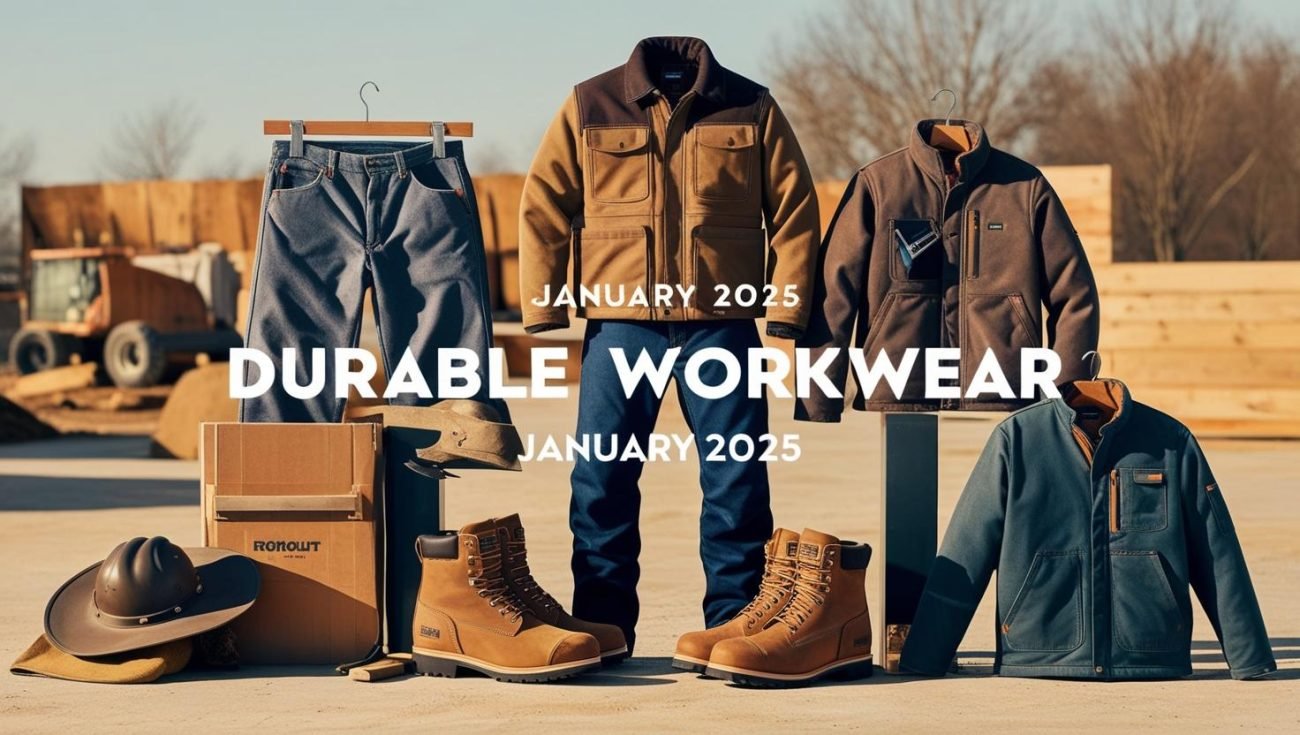 When it comes to outdoor work, having the right workwear is not just a matter of comfort—it’s a matter of safety, efficiency, and durability. Whether you’re a construction worker, landscaper, farmer, or outdoor enthusiast, the right clothing can make all the difference in how well you perform your tasks and how protected you are from the elements. As we step into January 2025, the demand for high-quality, durable outdoor workwear continues to grow, with innovations in materials and designs that cater to the needs of modern workers.
Why Outdoor Workwear Matters
Outdoor workwear is more than just clothing—it’s a tool that protects you from harsh weather, physical hazards, and wear and tear. Here’s why investing in durable outdoor workwear is essential:
Protection from the Elements: Outdoor workers face extreme weather conditions, from freezing temperatures in winter to scorching heat in summer. Proper workwear provides insulation, breathability, and water resistance to keep you comfortable and safe.
Safety: High-visibility clothing, reinforced materials, and protective features like knee pads and steel-toe boots reduce the risk of injuries on the job.
Durability: Outdoor work is tough on clothing. Durable fabrics like canvas, denim, and ripstop are designed to withstand abrasions, tears, and heavy use.
Comfort and Mobility: Modern workwear is designed with ergonomic features, stretchable fabrics, and lightweight materials to ensure you can move freely and work efficiently.
Key Features of Durable Outdoor Workwear
When shopping for outdoor workwear, look for these essential features to ensure you’re getting the best value for your money:
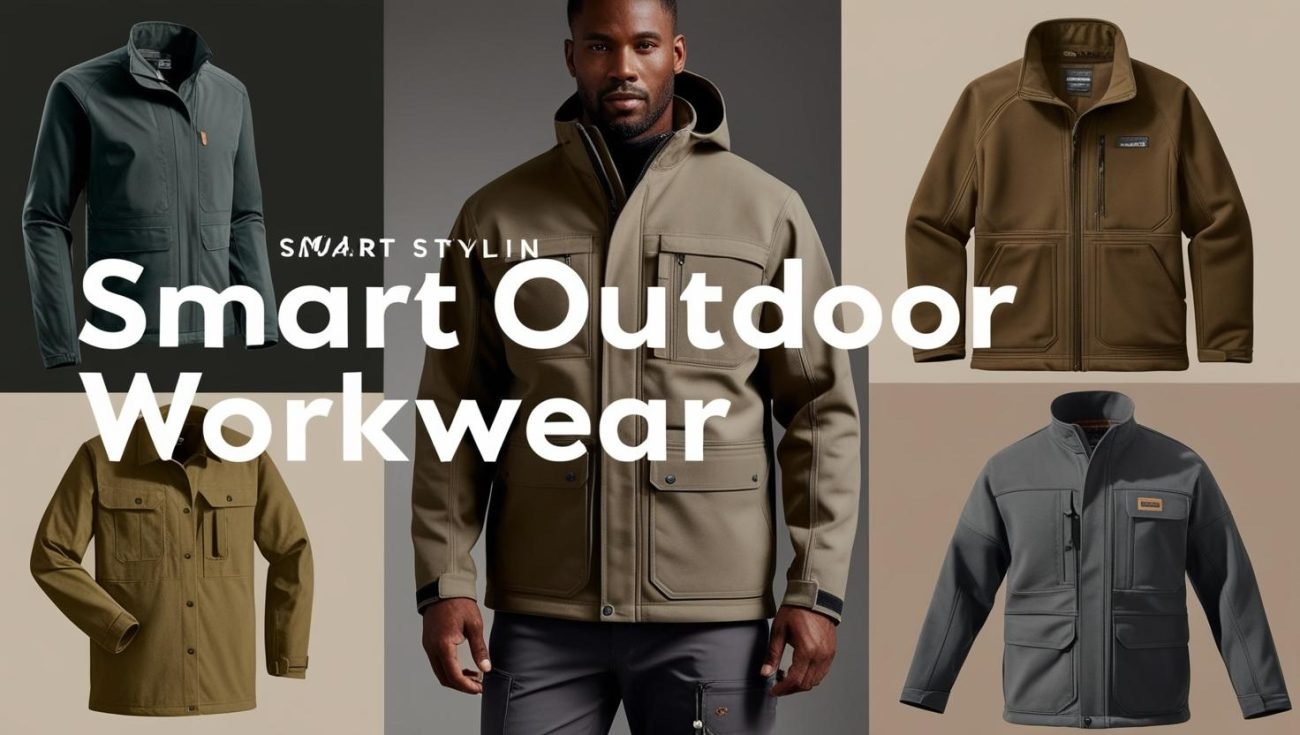
Weather Resistance
- Waterproofing: Look for garments with waterproof coatings or membranes like Gore-Tex to keep you dry in wet conditions.
- Windproofing: Wind-resistant jackets and pants help maintain body heat in cold, windy environments.
- Insulation: For winter work, insulated jackets and thermal layers are a must to stay warm.
Durable Materials
- Canvas: A heavy-duty fabric that resists tears and abrasions, ideal for jackets and pants.
- Ripstop: Lightweight yet durable, ripstop fabric is perfect for outerwear and work shirts.
- Denim: Reinforced denim is a classic choice for work pants, offering durability and comfort.
Reinforced Areas
- Knee Pads: Built-in or insertable knee pads protect your joints during tasks that require kneeling.
- Double-Stitched Seams: Reinforced stitching ensures your clothing lasts longer under stress.
- Reinforced Pockets: Heavy-duty pockets can hold tools and resist wear.
High-Visibility Features
- Reflective strips and bright colors like neon yellow or orange are essential for workers in low-light or high-traffic areas.
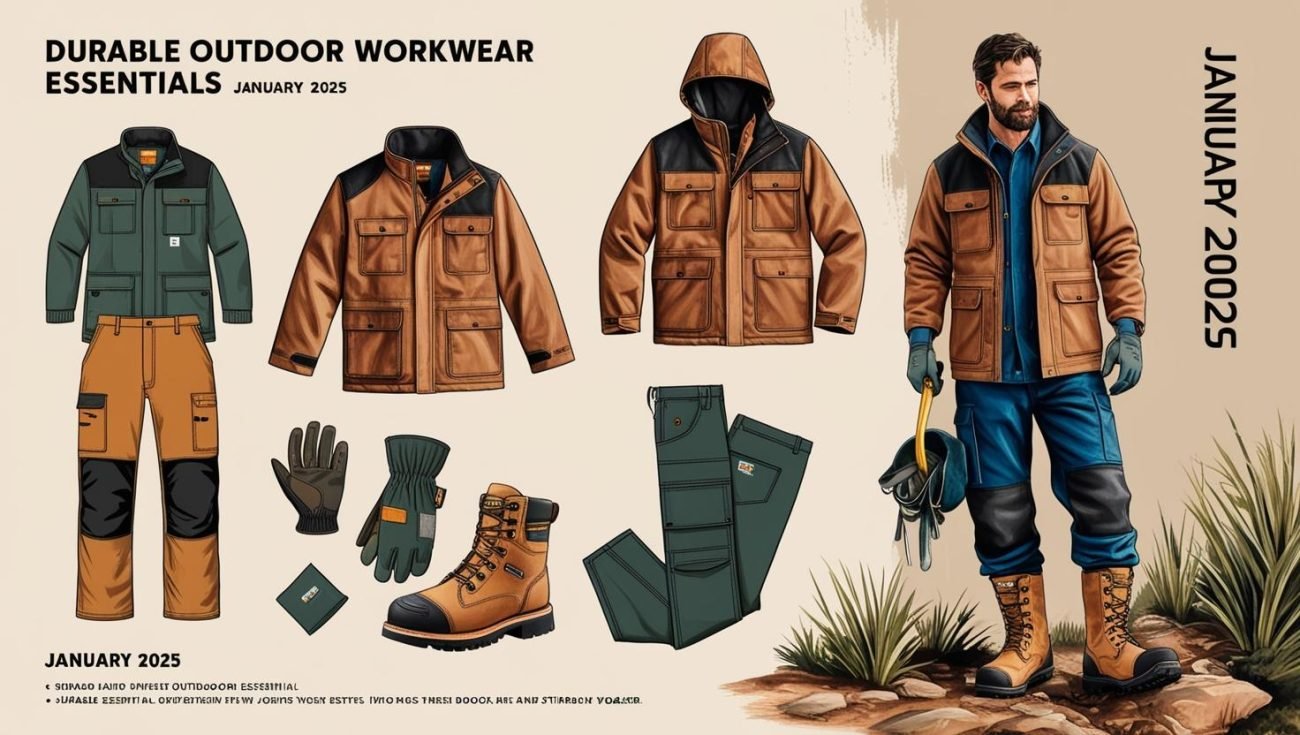
Breathability
- For summer work, breathable fabrics like cotton blends or moisture-wicking materials keep you cool and dry.
Ergonomic Design
- Articulated knees, gusseted crotches, and stretch panels enhance mobility and reduce fatigue.
Outdoor Workwear Essentials for January 2025
Here’s a breakdown of the must-have outdoor workwear items for the new year:
Work Jackets
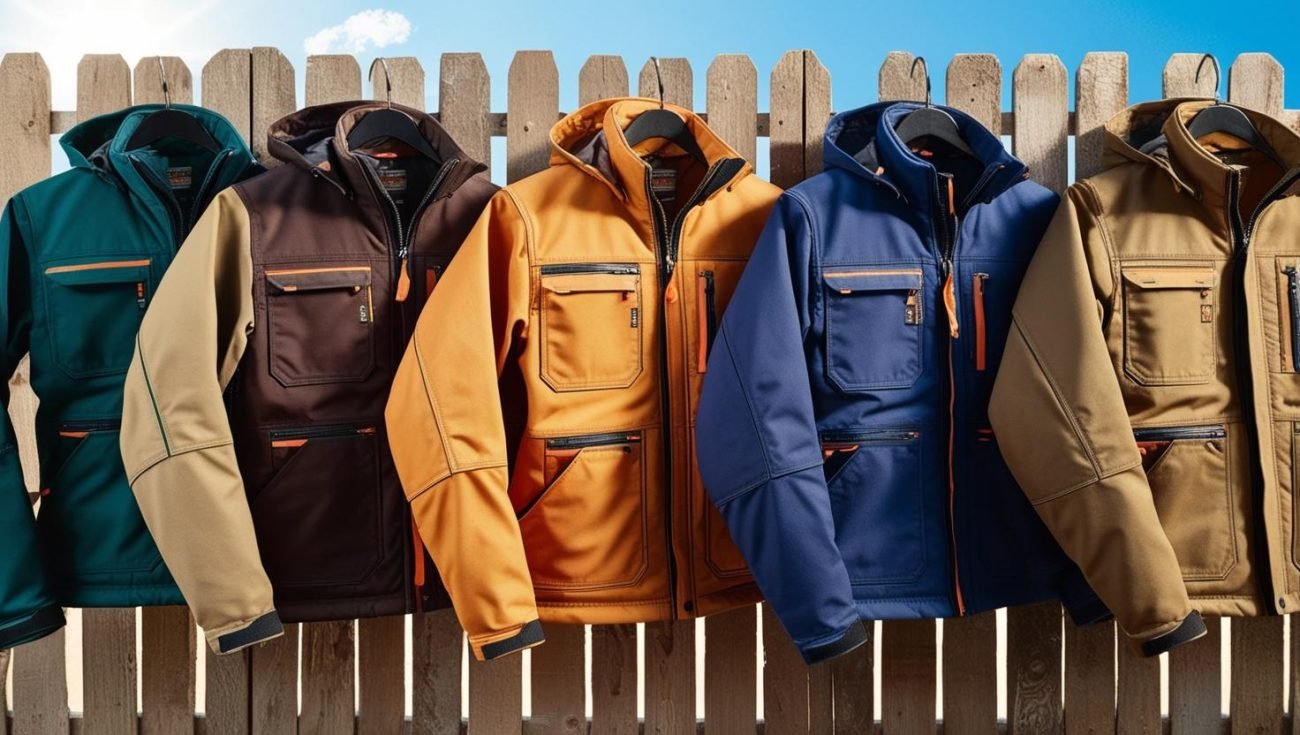
- Winter Jackets: Insulated and waterproof jackets with hoods are essential for cold weather.
- Softshell Jackets: Lightweight and breathable, these are great for mild conditions.
- High-Visibility Jackets: Perfect for roadside or construction work, ensuring you’re seen even in low light.
Work Pants
- Cargo Pants: With multiple pockets, these are ideal for carrying tools and small items.
- Reinforced Work Pants: Look for pants with double-layered knees and durable fabrics like canvas or ripstop.
- Insulated Pants: For winter, insulated pants keep your legs warm without restricting movement.
Base Layers
- Thermal Underwear: Essential for layering in cold weather, thermal tops and bottoms provide warmth without bulk.
- Moisture-Wicking Shirts: These keep sweat away from your skin, preventing chills and discomfort.
Work Boots
- Steel-Toe Boots: Protect your feet from heavy objects and sharp tools.
- Waterproof Boots: Keep your feet dry in wet conditions.
- Insulated Boots: For winter, insulated boots with slip-resistant soles are a must.
Gloves
- Insulated Gloves: Keep your hands warm while maintaining dexterity.
- Cut-Resistant Gloves: Protect your hands from sharp tools and materials.
- Waterproof Gloves: Essential for wet or snowy conditions.
Headwear
- Hard Hats: Protect your head from falling objects and impacts.
- Beanies and Balaclavas: Keep your head and face warm in freezing temperatures.
- Sun Hats: For summer, wide-brim hats provide shade and UV protection.
Accessories
- Tool Belts: Keep your tools within easy reach.
- Knee Pads: Protect your knees during tasks like tiling or gardening.
- Socks: Invest in moisture-wicking, insulated socks for all-day comfort.
Trends in Outdoor Workwear for 2025
The outdoor workwear industry is constantly evolving, and 2025 is no exception. Here are some of the latest trends to watch for:
Sustainable Materials
- Eco-friendly fabrics like recycled polyester and organic cotton are becoming more popular as workers and companies prioritize sustainability.
Smart Workwear
- Wearable technology, such as jackets with built-in heating elements or gloves with touchscreen compatibility, is gaining traction.
Lightweight Durability
- Advances in fabric technology are creating lighter yet more durable materials, reducing fatigue without compromising protection.
Customizable Fit
- Adjustable features like Velcro cuffs, drawstring waists, and modular designs allow workers to tailor their clothing to their needs.
Gender-Inclusive Designs
- More brands are offering workwear designed specifically for women, with better fits and functional features.
How to Choose the Right Outdoor Workwear
Selecting the right outdoor workwear depends on your specific needs and work environment. Here are some tips to help you make the best choice:
Assess Your Work Environment: Consider the weather, terrain, and hazards you’ll face on the job.
Prioritize Safety: Look for clothing with safety certifications, such as ANSI-compliant high-visibility gear.
Check the Fit: Ensure your workwear allows for a full range of motion and doesn’t restrict your movements.
Invest in Quality: While durable workwear may cost more upfront, it will save you money in the long run by lasting longer.
Read Reviews: Check online reviews and ratings to see how well a product performs in real-world conditions.
Conclusion
Outdoor workwear is an essential investment for anyone working in challenging environments. By choosing durable, weather-resistant, and comfortable clothing, you can stay safe and perform your best, no matter the conditions. As we move into 2025, the focus on sustainability, innovation, and inclusivity in workwear design ensures that there’s something for everyone.
Whether you’re braving the cold in January or preparing for the heat of summer, the right outdoor workwear will keep you protected and ready for anything. So gear up, stay safe, and tackle your tasks with confidence!
FAQs About Outdoor Workwear
What is the most durable material for outdoor workwear?
Canvas and ripstop fabrics are among the most durable materials for outdoor workwear. They resist tears, abrasions, and heavy use, making them ideal for tough jobs.
How do I care for my outdoor workwear?
Follow the manufacturer’s care instructions, which often include washing in cold water and avoiding harsh detergents. For waterproof garments, reapply a waterproofing spray periodically to maintain their effectiveness.
What should I wear for outdoor work in winter?
Layering is key for winter work. Start with a moisture-wicking base layer, add an insulating mid-layer, and finish with a waterproof and windproof outer layer. Don’t forget insulated boots, gloves, and a hat.
Are there eco-friendly options for outdoor workwear?
Yes, many brands now offer sustainable workwear made from recycled or organic materials. Look for certifications like GOTS (Global Organic Textile Standard) or Bluesign to ensure eco-friendly practices.
How do I choose the right size for workwear?
Check the brand’s sizing chart and consider your layering needs. If you plan to wear multiple layers, opt for a slightly larger size to ensure a comfortable fit.
3 thoughts on “Outdoor Workwear Essentials”